
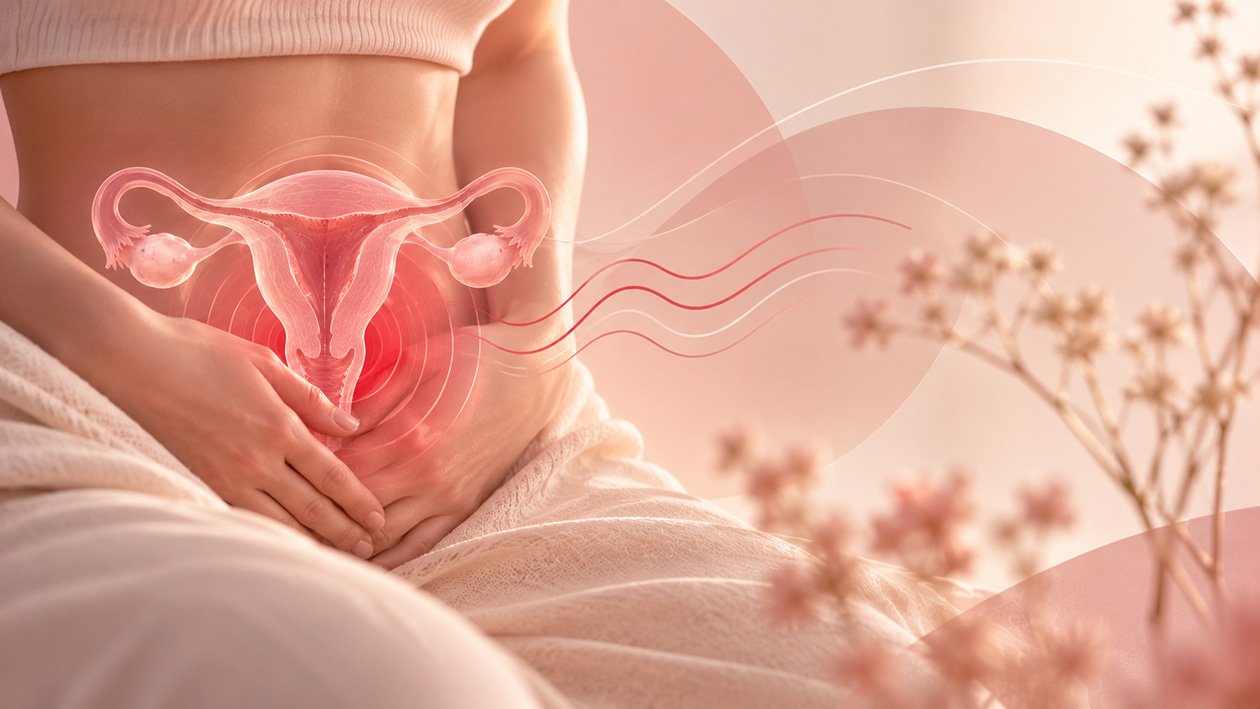
Dysmenorrhea: A Guide to Period Pain
Athanasia Despotidi, MD, MSc
Obstetrician & Gynecologist
Specialist in Assisted Reproduction
Dysmenorrhea, the medical term for pain that occurs before or during menstruation, is one of the most common gynecological symptoms. It is particularly common among adolescents and young women, with some studies reporting prevalence rates of up to 90%.
Period pain can be mild, but in some cases it becomes severe enough to interfere with daily activities, school or work, and overall quality of life.
Although menstrual pain is common, pain that significantly disrupts everyday life should not be considered something a woman simply has to endure.
What Is Dysmenorrhea?
Dysmenorrhea is characterized by pain or cramping in the lower abdomen, usually beginning shortly before or at the onset of menstruation. The pain may spread to the lower back or thighs and can be accompanied by other symptoms, including:
- Nausea
- Diarrhea
- Headaches
- Fatigue
- Lower back pain
The pain is mainly associated with the production of substances called prostaglandins. These substances stimulate uterine contractions, which, when particularly strong, can temporarily reduce blood flow to the surrounding tissues and cause pain.
What Are the Types of Dysmenorrhea?
Dysmenorrhea is divided into two main types.
Primary Dysmenorrhea
Primary dysmenorrhea is the most common type and is not associated with an underlying gynecological condition..
It usually develops within the first few years after the first menstrual period, and the pain is typically most intense during the first 24–48 hours of menstruation.
Primary dysmenorrhea is mainly caused by increased prostaglandin production.
Secondary Dysmenorrhea
Secondary dysmenorrhea is associated with an underlying gynecological condition, such as:
- Endometriosis
- Adenomyosis
- Uterine fibroids
- Pelvic inflammatory disease
- Certain anatomical abnormalities
It can occur at any age during the reproductive years, including in younger women.
The pain may become progressively worse over time, last longer than usual, or occur outside menstruation.
Treatment and Pain Relief
The management of dysmenorrhea depends on the severity of symptoms, individual medical history, and whether an underlying condition is present.
In most cases, effective treatment options are available to significantly reduce menstrual pain.
Medical Treatment
Nonsteroidal Anti-Inflammatory Drugs (NSAIDs)
Medications such as ibuprofen and naproxen reduce prostaglandin production and are often the first-line treatment for primary dysmenorrhea.
For the best results, they may be started when symptoms first appear or, in women with predictable menstrual cycles, shortly before the expected onset of menstruation, according to medical advice.
Taking these medications with food may help reduce some stomach discomfort, although it does not eliminate the risk of gastrointestinal side effects.
NSAIDs are not suitable for everyone, particularly women with a history of stomach ulcers, kidney disease, or certain other medical conditions. Their use should therefore be guided by an appropriate healthcare professional.
Hormonal Treatment
Hormonal methods can also play an important role in reducing menstrual pain.
Depending on a woman's needs and medical history, treatment options may include:
- Combined oral contraceptive pills
- Progestogen-only methods
- A levonorgestrel-releasing intrauterine system (IUS)
These treatments can help reduce pain and, in many cases, menstrual bleeding.
The most appropriate option should be selected individually following a gynecological assessment.
Non-Pharmacological Methods of Pain Relief
Several simple measures may help relieve symptoms, either on their own or alongside medical treatment.
Heat therapy: Applying a hot water bottle or heating pad to the lower abdomen can help ease cramps and provide relief.
Gentle physical activity Walking, cycling, stretching, and other forms of light exercise may help reduce menstrual pain.
Rest and relaxation: Adequate sleep, stress management, and relaxation techniques can support overall well-being.
Transcutaneous Electrical Nerve Stimulation (TENS): This technique may provide pain relief for some women.
Other approaches, such as massage and acupuncture, may also be considered as complementary options, although the scientific evidence supporting their effectiveness is more limited.
A balanced diet, regular physical activity, and avoiding smoking are important for overall health. However, there is insufficient evidence that eliminating specific foods, such as sugar, can treat dysmenorrhea on its own.
When Should You See a Gynecologist?
Menstrual pain should not be ignored when it is severe, persistent, or significantly affects daily life.
A gynecological assessment is particularly important if:
- The pain is severe enough to interfere with everyday activities.
- Symptoms become progressively worse.
- The pain does not improve with usual treatment.
- Pain occurs outside the menstrual period..
- Menstrual bleeding becomes unusually heavy, prolonged, or significantly different from normal.
- You experience pain during sexual intercourse or chronic pelvic pain.
These symptoms may be associated with conditions such as endometriosis, adenomyosis, or uterine fibroids.
Diagnosis is based on medical history and, when appropriate, a gynecological examination and ultrasound assessment. Importantly, a normal ultrasound does not rule out endometriosis..
If symptoms do not improve within 3–6 months despite appropriate treatment, further investigation is recommended.
Important: Sudden, severe pelvic pain, particularly when accompanied by faintness, fever, heavy bleeding, or the possibility of pregnancy, requires urgent medical assessment.
Why Is Early Management Important?
Dysmenorrhea can have a significant impact on a woman's physical and emotional well-being.
Early assessment and appropriate treatment can help:
- Reduce pain and the need to miss school or work.
- Improve daily functioning and overall quality of life.
- Limit the burden of recurring painful symptoms.
- Identify possible underlying conditions, such as endometriosis, at an earlier stage.
When menstrual pain persists or worsens, investigating its cause is particularly important in order to determine the most suitable treatment approach.
Practical Tips for Everyday Life
A few simple steps can help you manage dysmenorrhea more effectively:
- Keep a menstrual diary, recording the timing, duration, and severity of pain, as well as any associated symptoms.
- Speak openly with your gynecologist about how menstrual pain affects your daily life.
- Try heat therapy, gentle exercise, and relaxation techniques if they help relieve your symptoms.
- Follow any prescribed medication instructions carefully.
- Avoid taking painkillers without medical guidance or using them for prolonged periods. Strong opioid medications are not recommended as routine treatment for dysmenorrhea.
Conclusion
Dysmenorrhea is common, but severe menstrual pain is not something a woman should simply have to tolerate.
With accurate information, timely assessment, and individualized treatment, significant pain relief and an improved quality of life are often achievable.
Do not ignore menstrual pain that affects your daily life. Speaking with your gynecologist is the first step toward finding the right treatment for you.
This article is intended for informational purposes only and does not replace individualized medical advice.